Aclip is from our series entitled „What Happens One Minute After You Die” With Dr. Erwin Lutzer and Dr. John Ankerberg
VIDEO by John Ankerberg Show
'That I may know Christ and the power of His resurrection. Philippians3:10

10 mai 2016 4 comentarii
in Apologetics, Salvation Etichete:do people need to think about what they will experience, one minute after they die?, why
Aclip is from our series entitled „What Happens One Minute After You Die” With Dr. Erwin Lutzer and Dr. John Ankerberg
VIDEO by John Ankerberg Show
09 mai 2016 Un comentariu
in Apologetics, Bible Study, Jesus Christ, Salvation Etichete:Chapter 36: Justification, Justification - Wayne A. Grudem, Systematic Theology Video Lectures

photo credit
Buy the video lectures:
Amazon http://amzn.to/1QSXi6c
Barnes & Noble http://bit.ly/1NkLnn6
VIDEO by zondervan
14 mart. 2016 Un comentariu
in Apologetics, Salvation Etichete:A Critique of the Free Grace Gospel, Salvation without Repentance from Sin, Wayne Grudem
photo credit
The “Free Grace” movement (especially as promoted by the late Zane Hodges) claims that we should not include a call to repentance from sin in our gospel presentations, and we should not tell people that genuine faith will always produce good works in a person’s life, because these things add “works” to the gospel. This session will explain how the Free Grace movement (1) misunderstands the classic Reformation principle of “justification by faith alone,” (2) weakens the gospel message as taught in the New Testament, (3) gives false assurance of salvation to many unconverted people, (4) adopts numerous highly unlikely interpretations of the New Testament, and (5) overemphasizes mental assent to propositions while underemphasizing heartfelt trust in the living person of Jesus Christ.
See more at http://www.FOCLonline.org
29 feb. 2016 Comentarii închise la Erwin Lutzer – Thu, Feb. 4 – Moody Founder’s Week 2016 – The Offense of the Cross
in Apologetics, Conference / Conventii, Jesus Christ, Predica, Salvation Etichete:Erwin Lutzer, Feb. 4, Moody Founder's Week 2016, the cross, The Offense of the Cross, Thu

Pastor Erwin Lutzer teaches at Moody Founders Week 2016. Pastor Lutzer announceing in this video that he is leaving Moody Bible Church in May 22, 2016.
1 Corinthians 1:
VIDEO by Moody Bible Institute
22 sept. 2015 Comentarii închise la ATONEMENT ~ DICTIONARY OF THEOLOGY
in Apologetics, Jesus Christ, Salvation, Trinity Etichete:atonement, DICTIONARY OF THEOLOGY
VIDEO by StJohnsNottingham
09 aug. 2015 Comentarii închise la Alistair Begg: Is the Exclusivity of Christ Unjust?
in Apologetics, Salvation Etichete:Alistair Begg, Is the Exclusivity of Christ Unjust?
One atheistic website raises the question: „Did the six million Jews who died in the Holocaust go to hell?” The obvious implication of such a challenge is that it is unjust to say that those who die as a result of gross injustice and aren’t Christian will not be saved. In this lecture, Dr. Alistair Begg explains what the Bible teaches about the exclusivity of Christ and answers the emotionally provocative challenges raised by inclusivists and pluralists.
VIDEO by Ligonier Ministries
02 aug. 2015 Comentarii închise la R.C. Sproul: Can We Enjoy Heaven Knowing of Loved Ones in Hell?
in Apologetics, Christ, God, Salvation Etichete:Can We Enjoy Heaven Knowing of Loved Ones in Hell?, R C Sproul
Many of the toughest questions Christians face from skeptics involve the doctrine of eternal punishment and hell. But it is not only unbelievers who ask questions about hell. Many Christians have unbelieving loved ones who have died, and they wonder how they can enjoy heaven knowing that their loved ones are in hell. In this lecture, Dr. R.C. Sproul helps Christians understand what the Bible has to say about this deeply troubling question.
VIDEO by Ligonier Ministries
02 aug. 2015 Comentarii închise la R.C. Sproul Jr.: Why Do Christians Still Sin?
in Apologetics, Salvation Etichete:R.C. Sproul Jr., Why Do Christians Still Sin?
All Christians struggle with continuing sin in their lives, and many wonder why. If God answers prayers that are according to His will, and if God’s will is that we do not sin, why doesn’t God grant our request to be free of the struggle with sin? In this lecture, Dr. R.C. Sproul Jr. responds to this question in light of redemptive history and the Bible’s teaching on prayer and sanctification.
VIDEO by Ligonier Ministries
24 iul. 2015 6 comentarii
in Apologetics, Salvation Etichete:„nu există mântuire decât prin Biserică", Iosif Ton despre dogma
Ca unul ce am fost preot ortodox,va indemn sa cititi acest articol. E uimitor! In urma lecturarii sigur nu ve-ti mai fugi la preoti pentru dezlegare si iertare. Ve-ti intelege ceea ce poate nu ati inteles pana acum.
Cu drag, Daniel-Cristian.
Fragment din cartea Credinta Adevarata,editura Cartea Crestina,Oradea,autor Iosif Ton,Cap.8. Mantuirea in Biserica Ortodoxa,pag.37-40.
Dogma zice că „nu există mântuire decât prin Biserică”.
 Are oare această dogmă o bază în Biblie? Teologii ortodocşi îşi bazează crezul acesta pe trei texte din
Evanghelii. Primul este în Evanghelia după Matei 16:19, unde Domnul nostru Isus Cristos îi spune lui Petru:
“Îţi voi da cheile Împărăţiei cerurilor, şi orice vei lega pe pământ va fi legat în ceruri, şi orice vei dezlega pe pământ va fi dezlegat în ceruri”. Al doilea este în Evanghelia după Matei 18:15-20, un text care se referă la rezolvarea de către Biserică a certurilor dintre fraţi, la care vom reveni să-l analizăm mai îndeaproape. Al treilea este în Evanghelia după Ioan 20:22-23, unde Isus Se arată apostolilor după înviere: „După aceste vorbe, a suflat peste ei şi le-a zis: ‘Luaţi Duh Sfânt! Celor ce le veţi ierta păcatele vor fi iertate şi celor ce le veţi ţinea vor fi ţinute’”. Teza Bisericii Ortodoxe este că cele spuse de Domnul Isus apostolilor s-au transmis apoi şi episcopilor şi preoţilor, care alcătuiesc aparatul Bisericii; şi atunci, spune teza ortodoxă, este evident că i se dă Bisericii autoritatea de a ierta oamenilor păcatele şi de a le deschide acestora cerul, iar Biserica realizează acest lucru prin preoţii ei.
Să vedem dacă aceasta este interpretarea corectă a acestor texte din Biblie. Un principiu fundamental de
interpretare a textelor din Sfânta Scriptură este că niciodată un text nu trebuie luat singur. Fiecare text trebuie interpretat în lumina tuturor celorlalte părţi din Sfânta Scriptură. Să vedem deci ce ne spun alte texte din Biblie, care aruncă o lumină asupra acestor texte prin care Domnul Isus le dă autoritate apostolilor Lui să ierte păcatele.
Primul text explicativ este cel din Evanghelia după Matei 18:15-20. Aici Domnul Isus îi explică lui Petru cum trebuie să fie rezolvate de către Biserică conflictele dintre fraţi:
„Dacă fratele tău a păcătuit împotriva ta, du-te şi mustră-l între tine şi el singur. Dacă te ascultă, ai
câştigat pe fratele tău. Dar, dacă nu te ascultă, mai ia cu tine unul sau doi inşi, pentru ca orice vorbă să fie sprijinită pe mărturia a doi sau trei martori. Dacă nu vrea să asculte de ei, spune-l Bisericii; şi, dacă nu vrea să asculte nici de Biserică, să fie pentru tine ca un păgân şi ca un vameş.
Adevărat vă spun, că orice veţi lega pe pământ, va fi legat în cer; şi orice veţi dezlega pe pământ, va fi dezlegat în cer. Vă mai spun iarăşi, că, dacă doi dintre voi se învoiesc pe pământ să ceară un lucru oarecare, le va fi dat de Tatăl Meu care este în ceruri. Căci acolo unde sunt doi sau trei adunaţi în Numele Meu, sunt şi Eu în mijlocul lor”.
Să interpretăm exact ce spune Domnul Isus în acest text. Biserica este chemată să judece între doi membri ai ei care sunt în conflict. După ce Biserica decide care este vinovatul, ea trebuie să-i poruncească acestuia să repare ceea ce a stricat. Dacă acel membru al Bisericii nu ascultă de această dispoziţie a Bisericii, Biserica îl exclude din sânul ei şi prin aceasta “îl leagă”. Autoritatea pe care o dă Domnul nostru Bisericii este într-adevăr mare:
ceea ce leagă Biserica aici rămâne legat în ceruri. Dar vă rog să observaţi că această instrucţiune nu se referă la mântuirea celor din afară, ci se referă la felul de viaţă al celor deja mântuiţi, al celor ce deja au devenit membri ai Bisericii. Observaţia aceasta este de importanţă vitală.
Faptul că aşa trebuie interpretată această autoritate dată de Domnul Isus Bisericii se vede din modul în care a aplicat-o însuşi apostolul Pavel. Lui i s-a ivit un caz grav în biserica din Corint, pe care el a întemeiat-o. S-a aflat că un membru al bisericii trăieşte în adulter cu soţia tatălui său (evident o nouă căsătorie a tatălui său).
Apostolul Pavel aude acest lucru când este departe într-un alt oraş. Şi el scrie bisericii instrucţiuni ca să-l dea afară din biserică pe omul acesta. Această excludere va avea consecinţe pe plan spiritual, spune apostolul Pavel: când omul este exclus din biserică, el este „dat pe mâna lui Satan”, care îi va nimici trupul, dar totuşi spiritul acestui om va fi mântuit “în ziua Domnului Isus” (Întâia epistolă a lui Pavel către Corinteni 5:1-5). Omul care a fost astfel exclus din biserică şi-a dat seama că a păcătuit şi s-a pocăit de păcatul lui. În consecinţă, în a doua epistolă scrisă bisericii din Corint, apostolul Pavel le dă instrucţiuni să-l reprimească pe acest om în mijlocul lor: „…ca să nu-l lăsăm pe Satan să aibă un câştig de la noi; căci noi nu suntem în necunoştinţă de planurile lui”
(A doua epistolă a lui Pavel către Corinteni 2:11). Apostolul, în mod evident, îi dă bisericii adunate în plenul ei dreptul de excludere sau de legare: “În Numele Domnului Isus, voi şi duhul meu, fiind adunaţi laolaltă, prin puterea Domnului nostru Isus, am hotărât ca un astfel de om să fie dat pe mâna lui Satan” (Întâia epistolă a lui Pavel către Corinteni 5:4-5); şi tot astfel, apostolul Pavel îi dă bisericii adunate în plen autoritatea de a-l ierta pe acest om după ce s-a pocăit: „Dar pe cine iertaţi voi, îl iert şi eu. În adevăr, ce am iertat eu – dacă am iertat ceva
– am iertat pentru voi, în faţa lui Cristos” (A doua epistolă a lui Pavel către Corinteni 2:10).
Vedem deci că şi în Evanghelia după Matei 18, în învăţătura Domnului Isus, şi în întâia şi în a doua epistolă a lui Pavel către Corinteni, în practica apostolului Pavel, legarea şi apoi iertarea de păcate este o problemă de disciplină bisericească, şi se referă la autoritatea Bisericii de a veghea ca membrii ei să ducă o viaţă morală curată. Din păcate, Biserica Ortodoxă nu exercită o asemenea funcţie, ci şi-a asumat o altă funcţie, şi anume aceea de a distribui har mântuitor oricui i-l cere. Această autoritate nu i-a fost dată Bisericii. Această autoritate o menţine direct Domnul Isus. Şi Domnul Isus ne este prezentat în Noul Testament cum se apropie de fiecare individ, bate la uşa inimii lui, şi-i oferă mântuirea. Şi fiecare individ trebuie să-I răspundă direct Domnului Isus şi să-L primească pe Isus în viaţa lui. Primindu-L pe Isus, omul primeşte mântuirea. Şi o primeşte de la Isus, nu de la Biserică. Este adevărat însă că atunci când un individ Îl primeşte pe Domnul Isus în viaţa lui, Domnul Isus
îl încorporează pe acel om în Biserica Sa. Omul mântuit de Isus trebuie să facă parte din Biserica lui Isus, deoarece Biserica este Trupul Domnului Isus.
Mai trebuie explicat aici ceva deosebit de important, ceva ce merge la inima subiectului pe care-l discutăm aici şi la esenţa vieţii spirituale creştine: problema preotului şi a preoţiei. Ce este un preot? Ca să înţelegem esenţa preoţiei, trebuie să ne întoarcem înapoi la problema accesului omului la Dumnezeu. Am arătat cum toate religiile intuiesc faptul că accesul la Dumnezeu îi este barat omului. În foarte multe religii, accesul la Dumnezeu este rezervat unor persoane consacrate special pentru acest rol: preoţii. Aşa este cazul şi în Vechiul Testament, în religia pe care Dumnezeu i-a dat-o poporului Israel prin Moise, prin revelaţie specială.
În această religie numai preotul putea aduce jertfa lui Dumnezeu. Omul laic trebuia să-i aducă preotului
animalul de jertfă şi să-i spună preotului cu ce scop vrea să-I ofere lui Dumnezeu acea jertfă; iar preotul era cel ce prezenta jertfa lui Dumnezeu. Altarul pentru jertfă era plasat chiar în faţa Templului propriu-zis. În Templu nu puteau să intre decât preoţii, şi chiar şi aceştia erau aleşi special pentru a intra în prima sală a Templului, pentru slujba de tămâiere. Templul era însă împărţit în două săli, printr-o perdea masivă şi groasă. Dincolo de perdea, în ultima sală a Templului era „Sfânta Sfintelor”, adică sanctuarul cel mai sacru, în care era simbolizată prezenţa lui Dumnezeu Însuşi. În acel sanctuar avea dreptul să intre numai marele preot, o dată pe an, după ce făcea ritualuri speciale de curăţire.
Prin toate acestea se simboliza – li se indica oamenilor – că accesul la Dumnezeu nu este simplu, şi că nu le este deschis tuturor oamenilor. Numai preoţii puteau avea acces, până la un punct, şi numai marele preot avea acces până la Dumnezeu. Putem deci să spunem că preot este un om care are acces la Dumnezeu.
Să vedem acum ce se întâmplă în Noul Testament. Când Domnul nostru Isus Cristos a murit pe cruce pentru
păcatele noastre (care erau zidul sau perdeaua de despărţire între noi şi Dumnezeu), citim în Evanghelie că „Perdeaua dinăuntrul Templului s-a rupt în două de sus până jos” (Evanghelia după Marcu 15:38; Evanghelia după Matei 27:51; Evanghelia după Luca 23:45). Era normal ca atunci când păcatele omenirii erau ispăşite pe cruce, perdeaua care simboliza în Templu aceste păcate să fie ruptă. Dar ce simboliza această rupere? Aşa cum perdeaua simboliza blocarea accesului nostru la Dumnezeu, ruperea perdelei simbolizează deschiderea drumului nostru la Dumnezeu. Acest fapt ne este explicat clar în Epistola către evrei: „Astfel dar, fraţilor, fiindcă prin sângele lui Isus avem o intrare liberă în Locul Preasfânt, pe calea cea nouă şi vie pe care ne-a deschis-o El, prin perdeaua dinăuntru, adică trupul Său, şi fiindcă avem un Mare Preot [Isus] pus peste casa lui Dumnezeu, să ne apropiem cu o inimă curată, cu credinţă deplină, cu inimile stropite şi curăţite de un cuget rău şi cu trupul spălat cu o apă curată” (Epistola către evrei 10:19-22).
Pe crucea de la Calvar, trupul Domnului nostru a fost încărcat de păcatele noastre şi a fost frânt pentru noi. Prin frângerea aceasta, păcatele noastre au fost ispăşite, şi intrarea noastră sau accesul nostru la Dumnezeu a fost deschis. Pentru noi toţi. Adică pentru toţi cei ce-L primesc pe Isus Cristos ca să le fie Mântuitor şi Domn personal. Şi toţi aceştia, adunaţi laolaltă, alcătuiesc Trupul lui Cristos, care este Biserica.
Dar, fiindcă toţi credincioşii creştini care s-au unit cu Isus au acces la Dumnezeu, au intrare liberă la Dumnezeu – fapt care era o prerogativă a preotului – înseamnă că acum toţi sunt preoţi! Şi într-adevăr în Noul Testament ni se spune explicit şi fără echivoc că toţi creştinii sunt preoţi. Iată câteva texte revelatoare. Apostolul Petru le scrie unor credincioşi din Asia Mică şi iată ce le spune: „Voi însă sunteţi o seminţie aleasă, o preoţie împărătească, un neam sfânt, un popor pe care Dumnezeu Şi l-a câştigat ca să fie al Lui, ca să vestiţi puterile minunate ale Celui ce v-a chemat din întuneric la lumina Sa minunată; pe voi, care odinioară nu eraţi un popor, dar acum sunteţi poporul lui Dumnezeu; pe voi, care nu căpătaserăţi îndurare, dar acum aţi căpătat îndurare” (Întâia epistolă sobornicească a lui Petru 2:9-10). Şi iată ce se spune în Apocalipsa despre toţi aceia care au fost mântuiţi prin sângele Domnului Isus: „A făcut din noi o împărăţie şi preoţi pentru Dumnezeu, Tatăl Său” (Apocalipsa lui Ioan 1:6). Tot în această carte se spune mai pe larg ce a realizat Domnul nostru Isus Cristos:
„Ai fost junghiat şi ai răscumpărat pentru Dumnezeu, cu sângele Tău, oameni din orice seminţie, de orice limbă, din orice popor şi de orice naţiune. Ai făcut din ei o împărăţie şi preoţi pentru Dumnezeul nostru, şi ei vor împăraţi pe pământ” (Apocalipsa lui Ioan 5:9-10).
Este semnificativ să vedem că nicăieri în Noul Testament nu se spune că Biserica creştină ar avea preoţi.
Biserica creştină din Noul Testament are episcopi (cuvântul înseamnă „supraveghetori”), prezbiteri cuvântul înseamnă „bătrâni”), păstori şi diaconi. Biserica nu are preoţi, deoarece ea este alcătuită din preoţi: toţi membrii Bisericii au acces direct la Dumnezeu prin Domnul Isus, şi deci toţi sunt preoţi.
Ajunşi la acest punct trebuie să semnalăm o anomalie în Biblia tipărită la Bucureşti de Biserica Ortodoxă în anul 1968. În cartea Faptele apostolilor, cap. 20, v. 17-38 ni se povesteşte cum apostolul Pavel se pregătea de o călătorie la Ierusalim, şi pentru aceasta a convocat o întâlnire la Milet cu prezbiterii bisericii din Efes. În traducerea ortodoxă însă, în Faptele 20:17 citim că apostolul Pavel i-a chemat acolo pe preoţii bisericii din Efes.
L-am întrebat pe un înalt prelat al Bisericii Ortodoxe de la Bucureşti de ce şi-au luat libertatea de a schimba textul Sfintei Scripturi. Iată ce mi-a răspuns:
„Este adevărat că la data la care s-a scris cartea Faptele apostolilor slujitorii Bisericii se numeau prezbiteri. Dar mai târziu Biserica a găsit de bine că ei trebuie să fie numiţi preoţi: şi deci, chiar dacă la data aceea ei nu se numeau preoţi, pe baza deciziei de mai târziu a Bisericii, noi îi numim preoţi”.
Aici se vede şi mai clar cum tradiţia este pusă deasupra Sfintei Scripturi: pe baza unei decizii omeneşti, cuprinsă azi în tradiţie, se schimbă însuşi textul Sfintei Scripturi.
Schimbarea însă nu este numai de formă. Căci dacă Biserica are preoţi, deci oameni care singuri au acces la Dumnezeu, înseamnă că ceilalţi credincioşi nu au acces la Dumnezeu. Ei au nevoie de mijlocirea preotului ca să ajungă la Dumnezeu. Şi prin aceasta, clerului ortodox i se dă monopol asupra accesului la Dumnezeu şi, implicit, monopol asupra vieţii spirituale a poporului.
Când, prin această tradiţie, s-a creat o clasă specială de preoţi în Biserica creştină, s-au creat automat o serie de probleme. Una dintre ele este aceea că individul nu mai este încurajat să aibă o viaţă spirituală personală. El nu mai trebuie să citească pentru sine Sfânta Scriptură şi alte cărţi de viaţă spirituală. El trebuie doar să se ducă la preot şi să-şi mărturisească păcatele. Preotul ştie restul şi preotul face restul. Faptul că individul nu mai este încurajat să aibă o relaţie personală cu Dumnezeu şi să se dezvolte astfel spiritual are consecinţe catastrofale pentru viaţa naţiunii. Poporul este ţinut în întuneric şi niciodată nu este stimulat la viaţă spirituală.
O altă consecinţă este aceea că, din moment ce preoţii administrează harul mântuitor, tentaţia comercializării acestui har este inevitabilă. Astfel s-a ajuns ca Biserica să aştepte ca individul să plătească pentru harul iertării.
Culmea acestei comercializări a harului (care prin esenţa lui este gratuit!) a fost lansarea indulgenţelor care trebuiau cumpărate pentru iertarea păcatelor. Scandalul indulgenţelor a fost faptul imediat care l-a determinat pe Martin Luther să înceapă acţiunea de reformare a Bisericii.
O altă consecinţă este aceea că, dacă preotul poate să dea iertare pentru păcate, atunci individul poate duce o viaţă confortabilă în toate păcatele: singurul lucru de care trebuie să aibă grijă este să se ducă periodic la preot, să-şi mărturisească aceste păcate şi să dea un dar Bisericii. Biserica, prin preotul ei, are putere şi are grijă să-l absolve de toate păcatele. Situaţia aceasta nu încurajează o viaţă curată, o viaţă sfântă. Lucrul acesta a fost sesizat de Biserică şi de aceea dogma mântuirii prin Biserică şi de către Biserică nu a fost difuzată oamenilor de rând, nu le-a fost predicată şi explicată. Ea este ţinută mai mult ca învăţătură pentru preoţi şi pentru aceia dintre indivizi care, dintr-un motiv sau altul, vor să aprofundeze dogmele Bisericii. Pentru ca oamenii să fie stimulaţi să trăiască o viaţă decentă, pentru oamenii de rând se predică o altă învăţătură referitor la calea mântuirii şi anume că omul este mântuit de păcatele sale prin fapte bune.
01 iul. 2015 Un comentariu
in Apologetics, Salvation, Trinity, Word of God Etichete:Are omul iniţiativă liberă în cadrul suveranităţii lui Dumnezeu?, Bruce Ware

Photo credit www.youtube.com
…de ce Dumnezeu ne lasa in pacat, cand suntem mantuiti. Dumnezeu inca mai ingaduie pacatul in viata noastra, ca sa ne smereasca. Ca sa faca sa intelegem puterea pacatului, care este cucerita doar de puterea lui Hristos in cele din urma. Dar asta inseamna ca viata aceasta sunt multe manifestari ale pacatului in noi crediniciosii, pe care Dumnezeu le permite. Pentru ca, n-ar fi putut El sa o faca altfel? N-ar fi putut sa faca ca atunci cand devenim crestini, sa fim atunci facuti desavarsiti?
Vom fi desavarsiti in final. Cand Il vom vedea pe El, vom fi ca El. De ce nu face asta cand devenim crestini? Cred ca are de a face cu scopul lui Dumnezeu care include pacatul. Altfel, ne-ar fi scapat de pacat complect.
Deci, pacatul, ca orice alt rau din lume, slujeste scopurile ultime (finale) a lui Dumnezeu. Si scopurile ultime pe care Dumnezeu le are pentru ai Sai sunt bune.
Dar, ascultati cu atentie: Chiar daca scopurile ultime sunt bune, asta nu transforma niciodata pacatul intr-un bine, intr-un lucru bun. Ce greseala enorma am face daca am gandi in felul acesta. Asa ca noi trebuie sa purtam responsabilitatea pentru pacatele noastre. Nu putem gandi, din moment ce Dumnezeu a facut ca din pacatul acela sa lucreze un bine, ca este in regula ca am pacatuit (l-am savarsit).
Asa ca noi trebuie sa purtam responsabilitate pentru pacatele noastre. Sa marturisim pacatul acela inaintea lui Dumnezeu. Sa primim disciplinarea care El o are pentru noi si sa invatam ceea ce e de invatat de la aceasta. In acelasi timp, avem aceasta speranta, ca prin aceste lucruri rele care se intampla, Dumnezeu, in cele din urma, are scopuri bune. Este un drum foarte ingust pe care trebuie sa umblam. Poti sa cazi in prapastie de o parte sau de cealalta. Pe o parte, ajungand sa negi suveranitatea lui Dumnezeu, spunand ca de fapt El nu are nici un control asupra pacatului nostru. Sau sa cazi de partea cealalta si sa spui ca noi nu suntem responsabili pentru pacatele noastre. Ambele pozitii sunt greseli groaznice.
Are omul iniţiativă liberă
în cadrul suveranităţii lui Dumnezeu? Bruce Ware
Cum se explică suveranitatea lui Dumnezeu în cazul divorţului creştinilor sau a unui accident din culpă comis de un creştin? Este hotărârea lui Dumnezeu sau este culpa omului?
http://illbehonest.com/romana/are-omu…
30 iun. 2015 Un comentariu
in Apologetics, Bible Study, Salvation Etichete:=CALEA Ingusta si Calea Larga=, Ioan Burca

photo captura Youtube
Stand de vorba cu oamenii, le-am spus multora ca starea lor, calea pe care merg nu e buna. Unii au negat acest lucru, dar destul de multi au recunoscut ca asa este. Ei au recunoscut, insa au ramas tot in starea in care erau, tot pe calea pe care erau!
Daca ar fi sa facem o comparatie pe care sa o inteleaga fiecare din noi, am putea asemana trecerea omului prin viata cu umblarea pe o cale care incepe la nastere, si se termina la moarte. Stim cu totii ca aceasta cale poate fi mai lunga, mai scurta, sau foarte scurta. Omul incearca sa scruteze cu privirea punctul terminus al caii si sa-l impinga cat mai departe. Daca nu suntem siguri cat de scurta sau cat de lunga e calea vietii noastre, de un lucru suntem siguri, si anume ca ea va avea un sfarsit.
Sa vedem ce este de fapt o cale (un drum). E o fasie de teren special amenajata, cu scopul de a face legatura dintre localitati, locuri, oameni. Tot asa e si din punct de vedere spiritual. Exista o cale special pregatita cu scopul de a face legatura dintre lumea aceasta si cealalta, dintre Dumnezeu si om. Multi cred ca exista mai multe cai pe care se poate ajunge la Dumnezeu. Dar asta e doar o dorinta de-a lor, pentruca in Biblie sunt specificate doar DOUA cai. In Evanghelia dupa Matei, capitolul 7, versetele 13 si 14 scrie asa:
„Intrati pe poarta cea stramta. Caci larga este poarta, lata este calea care duce la pierzare, si multi sunt ceice intra pe ea. Dar stramta este poarta, ingusta este calea care duce la viata, si putini sunt cei ce o afla”.
Daca vorbim de calea care duce la viata vesnica, la Dumnezeu, ea e una singura, si e numita CALEA ingusta.
Cealalta cale duce la pierzare, la iad, si e numita calea larga. Din prezentarea succinta a celor doua cai, vom vedea de ce multi oameni refuza sa mearga pe calea ingusta si prefera calea larga.
I. CALEA Ingusta
1.Dezavantaje
a. Calea ingusta nu e pe placul oamenilor pentruca pe ea sunt multe inconveniente; restrictii, izolare, desconsiderare, aprecieri nedrepte si neplacute, acuzatii false, precum si suferinte si batjocuri pe care poti sa le primesti din partea multor oameni, dar si din partea cunoscutilor, colegilor, rudeniilor si chiar a celor din familia ta.
b. As vrea sa spun insa ca pe aceasta cale au mers toti crestinii adevarati, unii platind chiar cu viata aceasta hotarare a lor.
c. Vreau sa reamintesc ca pe calea suferintei a mers in primul rand Fiul lui Dumnezeu, Domnul Isus Hristos, care Si-a dat viata Lui pe cruce, pe dealul Golgota!
d. Alt lucru care nu le place la multi e faptul ca-i ingusta si nu pot merge pe ea cu multele lor bagaje de pacate. Ba mai mult, pe aceasta cale trebuie mers cu atentie, ca nu cumva sa calci pe alaturi.
Toate acestea sunt dezavantaje imediate, care incep odata cu hotararea de a urma pe aceasta cale.
2. Avantaje
Calea are insa partile ei frumoase, placute; ea e :
a.Unica; Nu e alta ca ea; e UNA singura in lume, nu-s mai multe, nici macar doua!
b. Dreapta; nu are curbe ; o tii numai drept inainte spre DUMNEZEU.
c. Creata si indicata de Dumnezeu; asa cum am zis, oamenii au si ei parerile lor si si-au facut ei caile lor, pe care zic ei ca vor ajunge la Dumnezeu; numai ca nu cuvantul lor are greutate, ci al Lui DUMNEZEU!
d. Viata si fericire eterna cu DUMNEZEU ; acest avantaj i-a facut pe multi sa nesocoteasca toate dezavantajele imediate, pentru ca acest avantaj e uluitor! Pentru a putea fi usor identificata, aceasta cale are un nume:
e. Numele Caii e ISUS HRISTOS! Asta, ca sa nu se incurce nimeni care vrea sincer sa ajunga la DUMNEZEU! Vrei sa ajungi la DUMNEZEU in Rai, ia-o pe urmele si dupa invatatura DOMNULUI ISUS HRISTOS!
„Eu sunt calea, adevarul si viata. Nimeni nu vine la Tatal decat prin Mine”
Acestea sunt cuvintele Domnului Isus din Evanghelia dupa Ioan 14:6. Deci El este singura cale, nu este alta!
Calea e scrisa cu articol hotarat „a”; deci NU lasa loc pentru o alta cale care sa mearga la TATAL. DOMNUL ISUS Nu zice ca EL ar fi una din cai care duce la TATAL.
Tot Domnul Isus spune ca, din nefericire, „putini sunt cei ce o afla”. Mare tragedie! De ce? Pentru ca sunt atat de putini cei care merg pe aceasta CALE, din diferite motive!
II. Calea larga
1. Cateva caracteristici ale acestei cai:
a. N-a trebuit si nu trebuie special pregatita.
b. Multi sunt cei ce intra pe ea.
c. Este suficient de larga pentru toti cei ce nu vor sa mearga pe calea ingusta.
d. Are multe avantaje pamantesti si trecatoare.
e. Pe ea nu trebuie sa ai grija cum mergi, poti umbla impleticindu-te dupa chefuri cu bauturi ametitoare, cu injuraturi si vorbe urate, cu batai, cu mandrie si ura in inima ta, cu furturi, jafuri, crime; cu toate mizeriile din lumea aceasta, dealtfel. Mergand pe aceasta cale poti ajunge in pozitii inalte in societate folosind cele mai murdare metode, poti obtine bani multi folosind metode necinstite, sau chiar „calcand peste cadavre”.
f. Poti fi trufas, nesocotindu-l pe Dumnezeu si invatatura Lui.
g. Prin legalizarea sodomiei de catre Curtea Suprema, pe tot teritoriul Americii, s-a pus varf la toate pacatele, depasind prin aceasta chiar si Sodoma si Gomora, care nu scrie ca ar fi avut asta in legea lor, cu casatorii intre persoane de acelasi sex, adoptii de copii si toate celelalte drepturi ca si cuplurile obisnuite!
Dezavantataj: ca la orice lucru, nu e castig fara pierdere, sau avantaj(e) fara dezavantaj(e). Sunt dezavantaje si aici pe Pamant daca o iei razna, te mai ia la rost legea, dar cel mai mare dezavantaj e acesta:
Ea este calea care duce la pierzare, adica la IAD, la chin si foc vesnic!
As vrea sa-ti spun insa ca daca esti pe aceasta cale si daca pacatele si relele aratate mai sus, sau altele asemanatoare, ti se par dulci si avantajoase (pe termen scurt desigur, ca viata-i scurta), doresc sa-ti amintesc si acest dezavantaj, la care gandindu-ma, ma ia cu fiori! Repet: dezavantajul este ca aceasta cale larga duce in iad unde il vei intalni pe diavolul pe care l-ai servit pe Pamant, si unde nu vei fi primit cu covor rosu, flori si aplauze, ci vei fi chinuit in veci! Acest lucru nu i-o doresc nici celui mai mare dusman al meu si nu ti-o doresc nici tie cititorule (cititoare)! Ma cutremur ca ai putea avea un asemenea sfarsit de cale!
Am prezentat aici, foarte pe scurt si atat cat Dumnezeu mi-a ajutat, cele DOUA cai care exista: CALEA ingusta care duce la viata vesnica si care se numeste ISUS HRISTOS, si calea larga, care duce la moarte, la pierzare, la iad.
Poate ca unii, probabil, multi, foarte multi, din nefericire, ar dori sa continui si sa prezint si a treia cale, pe care ar dori-o ei sa existe. E vorba de calea de MIJLOC, de calea pe care omul ar putea sa mearga cum il taie capul, dar in final sa ajunga in rai, in fericire. Adica aici pe Pamant atata timp cat e in viata, omul sa fie si cu Dumnezeu si cu satana. As vrea sa precizez ca cei doi – Dumnezeu si satana -, nu se potrivesc in nici un fel, ba mai mult, fiecare e opusul celuilalt. Deci calea de mijloc e doar imaginara. Ea NU exista in realitate! Nu te amagi cu umblatul pe doua cai, ca nu se poate! Cei ce nu sunt pe calea ingusta, deci neurmand si netraind invatatura Domnului Isus, nu sunt pe calea din mijloc, ci pe calea larga!
In cartea lui Ieremia 21:8, Dumnezeu spune: ” … iata ca va pun inainte calea vietii si calea mortii … „. El nu ne obliga sa mergem pe calea ingusta, ne indeamna insa sa parasim calea larga: „Sa se lase cel rau de calea lui … „ (Isaia 55:7), deoarece „calea pacatosilor duce la pieire” (Psalmul 1:6).
Sunt foarte multi care de-a lungul timpului au renuntat la evantualele avantaje si placeri pamantesti trecatoare, pentru marele avantaj, care e viata vesnica in fericire cu DUMNEZEU!
Din nefericire pentru ei, mult mai multi au fost si sunt si azi, cei care au ales, sau aleg, avantajele si placerile pamantesti, trecatoare, dar care au pierdut, sau pierd, marele avantaj vesnic de a fi in veci cu DUMNEZEU!
Iata ce ne indeamna Cuvantul Lui DUMNEZEU, prin apostolul Pavel:
18. Eu socotesc că suferinţele din vremea de acum nu sînt vrednice să fie puse alături cu slava viitoare, care are să fie descoperită faţă de noi. (Romani 8:18).
Daca esti pe calea ingusta n-o parasi, indiferent cate necazuri ai avea pe ea. Daca esti pe calea larga, apuca degraba pe SINGURA CALE care te duce la DUMNEZEU in Rai, si care este ISUS HRISTOS, pentru ca la capatul caii sa te astepte Dumnezeu si sa te rasplateasca cu viata vesnica! Amin.
Ioan Burca – robul DOMNULUI
Doctor in Teologie
Stimati Vizitatori
Cuvantul si Minunile Lui DUMNEZEU in viata unor oameni.
29 iun. 2015 Comentarii închise la „Sin is Cosmic Treason” (VIDEO)
in Apologetics, BIBLE, Christ, God, Salvation, Sin Etichete:"Sin is Cosmic Treason"
RC Sproul offers profound insight into the issue of holiness. Watch the video to understand more! http://vision4living.org/p4c/
P4C15 : "Sin is Cosmic Treason" from Vision4Living Ministries on Vimeo.
27 iun. 2015 Comentarii închise la The Gospel of Christ Powerfully Saves – Paul Washer
in Apologetics, Salvation Etichete:Paul Washer, The Gospel of Christ Powerfully Saves
VIDEO by I’ll Be Honest
07 iun. 2015 Comentarii închise la Josh McDowell – First Baptist Church, W.F.
in Apologetics, Salvation Etichete:Communicating truth to young people, Josh McDowell
What engenders a child to believe the Scriptures?
Communicating truth to young people
Josh McDowell from First Baptist Church, W.F. on Vimeo.
05 iun. 2015 Comentarii închise la R.C. Sproul: Counted Righteous in Christ
in Apologetics, Predica, Salvation Etichete:Counted Righteous in Christ b, R C Sproul
 Historically, the doctrine of imputation has been rejected by Rome. Today, it is also rejected by many who profess to be evangelicals. In this message, Dr. R.C. Sproul will explain the meaning of the doctrine of imputation, and explain why the doctrine is essential to the Gospel.
This message is from our 2008 National Conference, Evangelism According to Jesus: http://www.youtube.com/playlist?list=…
VIDEO by Ligonier Ministries
26 mai 2015 Un comentariu
in Apologetics, Jesus Christ, Salvation, Trinity, Word of God Etichete:24 mai 2015, Beniamin Faragau, Biserica Baptista Iris, Primul Adam si Al Doilea Adam, Romani 5:12-21

Biserica Baptista Iris 24 Mai 2015 – Romani 5:12-21
12 De aceea, după cum printr-un* singur om a intrat păcatul în lume şi prin** păcat a intrat moartea, şi astfel moartea a trecut asupra tuturor oamenilor, din pricină că toţi au păcătuit…
13 (Căci înainte de Lege păcatul era în lume. Dar păcatul* nu este ţinut în seamă câtă vreme nu este o lege.
14 Totuşi moartea a domnit, de la Adam până la Moise, chiar peste cei ce nu păcătuiseră printr-o călcare de lege asemănătoare cu a lui Adam, care* este o icoană preînchipuitoare a Celui ce avea să vină.
15 Dar cu darul fără plată nu este ca şi cu greşeala, căci, dacă prin greşeala unuia singur, cei mulţi au fost loviţi cu moartea, apoi cu mult mai mult harul lui Dumnezeu şi darul pe care ni l-a făcut harul acesta într-un singur om, adică în Isus Hristos, s-au dat din belşug celor* mulţi.
16 Şi darul fără plată nu vine ca printr-acel unul care a păcătuit, căci judecata venită de la unul a adus osânda, dar darul fără plată venit în urma multor greşeli a adus o hotărâre de iertare.
17 Dacă deci, prin greşeala unuia singur, moartea a domnit prin el singur, cu mult mai mult cei ce primesc, în toată plinătatea, harul şi darul neprihănirii vor domni în viaţă prin acel unul singur, care este Isus Hristos!)
18 …Astfel dar, după cum printr-o singură greşeală a venit o osândă care a lovit pe* toţi oamenii, tot aşa, printr-o singură hotărâre de iertare a venit pentru toţi oamenii o hotărâre de neprihănire care dă viaţa.
19 Căci, după cum, prin neascultarea unui singur om, cei mulţi au fost făcuţi păcătoşi, tot aşa, prin ascultarea unui singur om, cei mulţi vor fi făcuţi neprihăniţi.
20 Ba încă şi Legea* a venit pentru ca să se înmulţească greşeala, dar unde s-a înmulţit păcatul, acolo harul s-a înmulţit** şi mai mult,
21 pentru ca, după cum păcatul a stăpânit dând moartea, tot aşa şi harul să stăpânească dând neprihănirea, ca să dea viaţa veşnică, prin Isus Hristos, Domnul nostru.
 Nu stiu cum sunteti dvs., dar eu, citind Biblia si framantandu-ma cu ea, desi o fac de foarte multi ani, ajungi printr-un text care simti ca-ti scapa printre degete si nu sti ce sa faci cu el. Si oricat il intorci si te framanti, iti dai seama ca-s multe ale lucruri pe care nu le-ai descoperit. Si textul din fata noastra este unul dintre aceste paragrafe. Dar nu doar in fata textelor stai buimacit, dar stai si in fata vietii buimacit, de multe ori. Marti, am inmormantat-o pe Anca Ciora. De ce-i asa? O stie el. Cine urmeaza? O stie El. Dragii mei, intr-un astfel de moment, in camera de sus, Domnul Isus Hristos vorbind cu ucenicii, le-a spus: „Ma duc sa va pregatesc un loc. Sa nu vi se tulbure inima. Aveti credinta in Dumnezeu si aveti credinta in Mine.” Si pentru ca a vazut fetele descumpanite ale ucenicilor, a zis: „Stiti unde Ma duc. Stiti si calea intr-acolo.” „Doamne,” i-a zis Toma, „Nu stim unde Te duci. Cum putem sti calea acolo?” Isus i-a zis: „Eu sunt Calea, Adevarul si Viata. Nimeni nu vine la Tatal, decat prin Mine.”
Dragii mei, nu cred ca exista o afirmatie din gura Domnului Isus Hristos, mai controversata ca aceasta. Daca ce a spus El este adevarat, El invalideaza in mod automat orice alt drum spre Dumnezeu. Nu toate drumurile duc spre Roma. Nu toate drumurile duc spre Dumnezeu. Nu toate religiile mantuiesc. Daca Domnul Isus are dreptate, El practic spune ca toti ceilalti pe o alta cale spre Dumnezeu n-au dreptate. Nu pot fi amandoua adevarate. „Eu sunt Calea, Adevarul si Viata. Nimeni nu vine la Tatal decat prin Mine.” Ne miram oare, ca de-a lungul istoriei, crestinismul a fost persecutat, prigonit, este incomod?
Zilele trecute a aparut un best seller care cineva isi imagineaza, un roman. Toata lumea este cucerita de musulmani si Sorbona ajunge o universitate musulmana si cel mai bun profesor, rectorul universitatii, i se pune in vedere urmatoarea actiune: Ramai la catedra, daca te convertesti. Sau altfel, pleci de la catedra si pleci din viata. Si romanul framanta framantarea acestui om si decizia lui. Daca ar fi mai multe cai spre Dumnezeu, de ce sa nu apuci pe cea mai comoda? Pe care ti-i l-a indemana? Dar daca exista doar una, trebuie sa o cunosti prea bine, ca sa te poti tine de ea in astfel de momente.
Dragii mei, as pune cateva intrebari:
12 De aceea, după cum printr-un* singur om a intrat păcatul în lume şi prin** păcat a intrat moartea, şi astfel moartea a trecut asupra tuturor oamenilor, din pricină că toţi au păcătuit…
18 …Astfel dar, după cum printr-o singură greşeală a venit o osândă care a lovit pe* toţi oamenii, tot aşa, printr-o singură hotărâre de iertare a venit pentru toţi oamenii o hotărâre de neprihănire care dă viaţa.
19 Căci, după cum, prin neascultarea unui singur om, cei mulţi au fost făcuţi păcătoşi, tot aşa, prin ascultarea unui singur om, cei mulţi vor fi făcuţi neprihăniţi.
20 Ba încă şi Legea* a venit pentru ca să se înmulţească greşeala, dar unde s-a înmulţit păcatul, acolo harul s-a înmulţit** şi mai mult,
21 pentru ca, după cum păcatul a stăpânit dând moartea, tot aşa şi harul să stăpânească dând neprihănirea, ca să dea viaţa veşnică, prin Isus Hristos, Domnul nostru.
Din primele 8 minute, mai sunt aprox 38 minute din mesaj.
24 Mai 2015 – Romani 5:12-21 – Beniamin Faragau from Biserica Baptista Iris on Vimeo.
18 mai 2015 Comentarii închise la How Do You Know You’re Repentant?
in Apologetics, Salvation Etichete:Jared Wilson, marks of repentance, repentance, true repentance

From Jared Wilson for The Gospel Coalition via http://www.churchleaders.com
How do you know when someone is repentant? In his helpful little book Church Discipline, Jonathan Leeman offers some guidance:
“A few verses before Jesus’ instruction in Matthew 18 about church discipline, he provides us with help for determining whether an individual is characteristically repentant: W ould the person be willing to cut off a hand or tear out an eye rather than repeat the sin (Matt. 18:8-9)? That is to say, is he or she willing to do whatever it takes to fight against the sin? Repenting people, typically, are zealous about casting off their sin. That’s what God’s Spirit does inside of them. When this happens, one can expect to see a willingness to accept outside counsel. A willingness to inconvenience their schedules. A willingness to confess embarrassing things. A willingness to make financial sacrifices or lose friends or end relationships.” (p. 72)
These are good indicators, and I believe we can add a few more.
Here are 12 signs we have a genuinely repentant heart:
1. We name our sin as sin and do not spin it or excuse it, and further, we demonstrate “godly sorrow,” which is to say, a grief chiefly about the sin itself, not just a grief about being caught or having to deal with the consequences of sin.
2. We actually confessed before we were caught or the circumstantial consequences of our sin caught up with us.
3. If found out, we confess immediately or very soon after and “come clean,” rather than having to have the full truth coaxed out of us. Real repentance is typically accompanied by transparency.
4. We have a willingness and eagerness to make amends. We will do whatever it takes to make things right and to demonstrate we have changed.
5. We are patient with those we’ve hurt or victimized, spending as much time as is required listening to them without jumping to defend ourselves.
6. We are patient with those we’ve hurt or victimized as they process their hurt, and we don’t pressure them or “guilt” them into forgiving us.
7. We are willing to confess our sin even in the face of serious consequences (including undergoing church discipline, having to go to jail or having a spouse leave us).
8. We may grieve the consequences of our sin but we do not bristle under them or resent them. We understand that sometimes our sin causes great damage to others that is not healed in the short term (or perhaps ever this side of heaven).
9. If our sin involves addiction or a pattern of behavior, we do not neglect to seek help with a counselor, a solid 12-step program or even a rehabilitation center.
10. We don’t resent gracious accountability, pastoral rebuke or church discipline.
11. We seek our comfort in the grace of God in Jesus Christ, not simply in being free of the consequences of our sin.
12. We are humble and teachable.
As it is, I rejoice, not because you were grieved, but because you were grieved into repenting. For you felt a godly grief, so that you suffered no loss through us. For godly grief produces a repentance that leads to salvation without regret, whereas worldly grief produces death. For see what earnestness this godly grief has produced in you, but also what eagerness to clear yourselves, what indignation, what fear, what longing, what zeal, what punishment! At every point you have proved yourselves innocent in the matter. —2 Corinthians 7:9-11
(I have put my signs in the first person plural not because it is always inappropriate to seek to gauge someone’s repentance, but because we should always be gauging our own first, and because the truly forgiving heart is interested in an offender’s repentance but isn’t inordinately set on holding up measuring sticks but holding out grace.)
Read the entire article here – http://www.churchleaders.com
11 mai 2015 2 comentarii
in Apologetics, BIBLE, Jesus Christ, Salvation Etichete:Cele cinci sola, Sola Fide („Numai prin credinta”), Sola Gratia („Numai prin har”), Sola Scriptura („Numai prin scriptura”), Soli Deo Gloria („Glorie numai lui Dumnezeu”), Solus Christus („Numai Christos”)

Photo credit plus.google.com
Cele cinci „SOLA”
Sola Gratia („Numai prin har”)
Sola Fide („Numai prin credinta”)
Sola Scriptura („Numai prin scriptura”)
Solus Christus („Numai Christos”)
Soli Deo Gloria („Glorie numai lui Dumnezeu”)
http://ro.wikipedia.org/wiki/Cele_cinci_sola
Cele cinci Sola sunt formulări (sau sloganuri) latinești apărute în timpul reformei protestante care rezumau credințele de bază ale reformatorilor, accentuând contrastul cu învățătura Bisericii Catolice din vremea aceea.
Sola gratia („Numai prin har”)
afirmă că doctrina nu trebuie să fie susținută în dauna gratia universalis (învățătura că Dumnezeu dorește într-adevăr mântuirea tuturor oamenilor).
Sola fide („Numai prin credință”)
clasică credința este automat însoțită de fapte bune. Această doctrină poate fi rezumată în formula „Credința dă justificarea și fapte bune”, care e în contrast cu formula romano-catolică „Credința și faptele bune dau justificarea”. Acest punct e uneori numit cauza sau principiul material al Reformei, fiind principala diferență doctrinară pentru Martin Luther și ceilalți reformatori. Luther o numea „doctrina în funcție de care biserica stă sau se prăbușește”. Se afirmă astfel excluderea totală a oricărei alte dreptăți care să îl justifice pe păcătos în afara dreptății „străine” (dreptatea altcuiva) ce e numai a lui Cristos. Sola fide exclude din justificare chiar dreptatea sfințirii păcătosului sau a noii sale „ascultări de credință”.
Sola scriptura („Numai prin Scriptură”)
Magisterium (adică papa și episcopii) și de conciliile ecumenice. Uneori, acest punct e numit cauza sau principiul formal al Reformei, fiind sursa și norma cauzei sau principiului material amintit mai sus. Adjectivul (sola) și substantivul (scriptura) sunt în cazul ablativ, nu în nominativ, pentru a indica faptul că Biblia nu există prin ea însăși, ci este un instrument al lui Dumnezeu prin care se apropie de om.
Solus Christus („Numai Cristos”; uneori sub forma Solo Christo, „numai prin Cristos”)
Soli Deo Gloria („Glorie numai lui Dumnezeu”)


foto captura




Foto Funny Jokes & Inspirational Stories


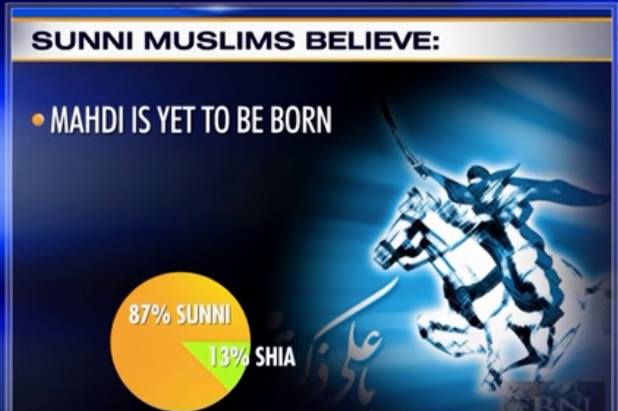


FOTO




foto Agnus Dei

Primirea reprezentanților Cultelor Evanghelice din România și a rectorilor Institutelor Teologice Evanghelice























Photo credit




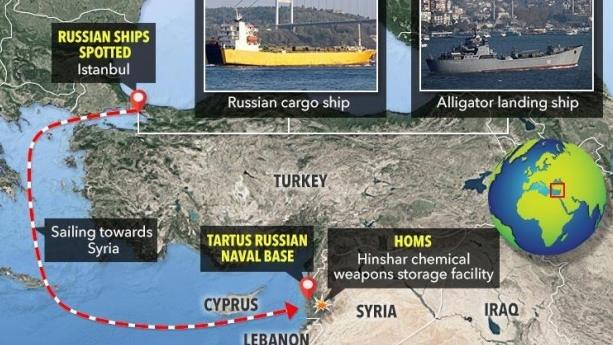


Photo credit huffingtonpost.ca


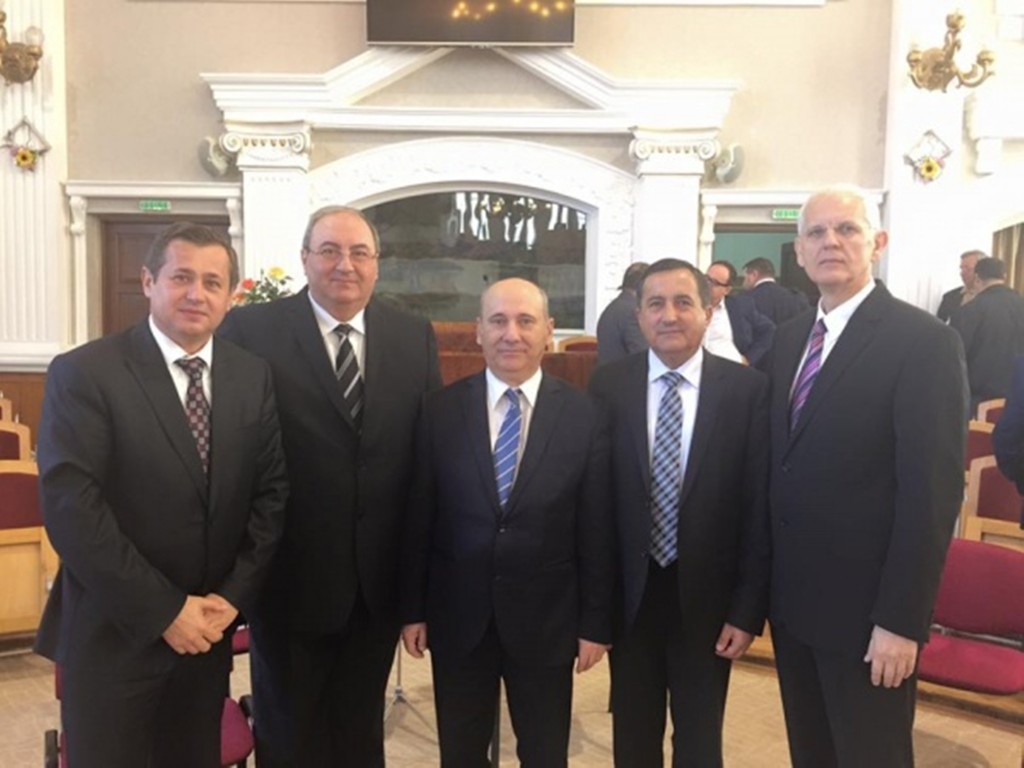




Photo Nasul TV
















Billy Graham at the National Cathedral September 14, 2001 Foto BGEA
























Comanda la roda4jesus@yahoo.ca





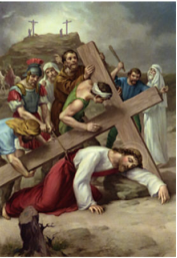

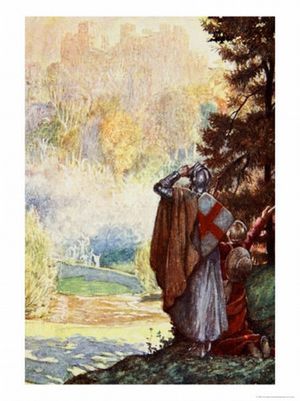
Within Sight of the City to Which They Went The Pilgrim’s Progress c1907 (Photo credit: Wikipedia)


 agnus dei - english + romanian blog